
Understanding Kundalini: 5 Mindful Ways to Work with Inner Energy
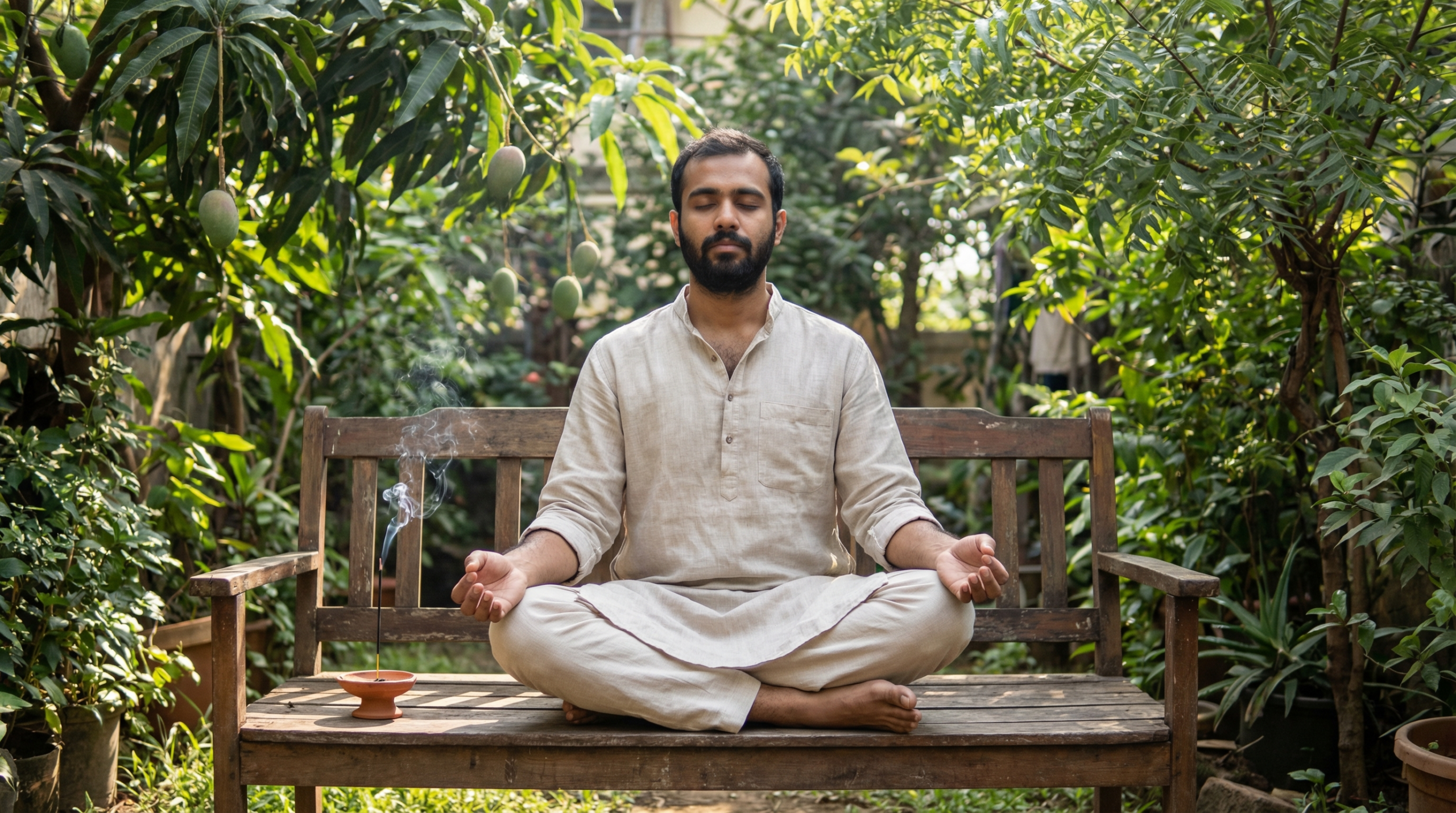
Five Gentle Ways to Support Kundalini Awareness
Kundalini is often described in Indian spiritual traditions as a subtle inner energy that rests quietly at the base of the spine. Rather than something to be forced or rushed, it is understood as an energy that responds to balance, awareness, and a supportive environment.
For many people, working with Kundalini is less about dramatic awakening and more about cultivating calm, clarity, and inner alignment. If you are looking to deepen your spiritual practice gently and mindfully, these five approaches can help support awareness while keeping the experience grounded and intentional.
1. Cultivate Stillness Through Meditation
Meditation is one of the most widely practised ways to build awareness of inner energy. Sitting quietly, focusing on the breath, and observing the body without judgement helps calm the nervous system and create mental clarity.
To support this practice, many people choose to introduce fragrance into their meditation space. Lighting a calming scent like Padmini Jasmine Agarbatti before you sit down can help signal to the mind that it is time to slow down. Over time, the fragrance becomes associated with stillness, making it easier to enter a meditative state.
2. Use Breathwork to Build Balance
Breathwork, or pranayama, plays a central role in Indian spiritual practices. Techniques such as Nadi Shodhana (alternate nostril breathing) are traditionally used to support balance between the body and mind.
Practising breathwork in a clean, well-ventilated space makes a noticeable difference. Adding a gentle fragrance through incense sticks can help create a calming environment without overwhelming the senses. Choosing a familiar scent from Padmini like the Rituals Agarbatti allows the focus to remain on the breath rather than distraction.
3. Introduce Conscious Movement
Movement is known to help release physical tension and support the flow of energy through the spine. Practices like Kundalini Yoga when approached mindfully, combine posture, breath, and attention in a structured way.
Even simple stretches or slow spinal movements can be effective when done consistently. Creating a supportive atmosphere matters here as well. Soft lighting and a mild agarbatti fragrance like jasmine helps turn movement into a ritual rather than a workout.
4. Work with Sound and Repetition
Sound has long been used in Indian spiritual traditions to support focus and awareness. Chanting simple mantras such as “Om” or “Sat Nam” helps regulate breathing and bring attention back to the present moment.
Sound becomes even more effective when the surrounding environment feels calm and intentional. Burning incense while chanting helps anchor the practice, allowing both sound and scent to work together. This multi-sensory approach supports concentration without overstimulation.
5. Use Fragrance as an Anchor, Not a Shortcut
Fragrance should be seen as a support rather than a trigger. Certain scents help calm the mind, while others gently uplift mood. Scents like lavender and rose are commonly used because they feel familiar and comforting.
Using incense sticks consistently during spiritual practices helps the body associate scent with calm and focus. Over time, lighting incense from Padmini Agarbatti can act as a gentle reminder to pause, breathe, and become more aware of the present moment.

A Thoughtful Approach to Inner Energy
Working with Kundalini is a personal journey that unfolds differently for everyone. It is not something to rush or force, but something that responds to balance, patience, and care.
By combining meditation, breathwork, movement, sound, and supportive rituals like incense, you create an environment that encourages awareness without pressure. Fragrance, when used mindfully, becomes part of that environment.
Padmini Agarbatti fits naturally into these moments, offering familiar scents that support calm, clarity, and consistency in daily practice. Begin this journey with Padmini Agarbatti.