
DIY Agarbattis: How to Reuse Pooja Flowers for Fragrant Incense Sticks
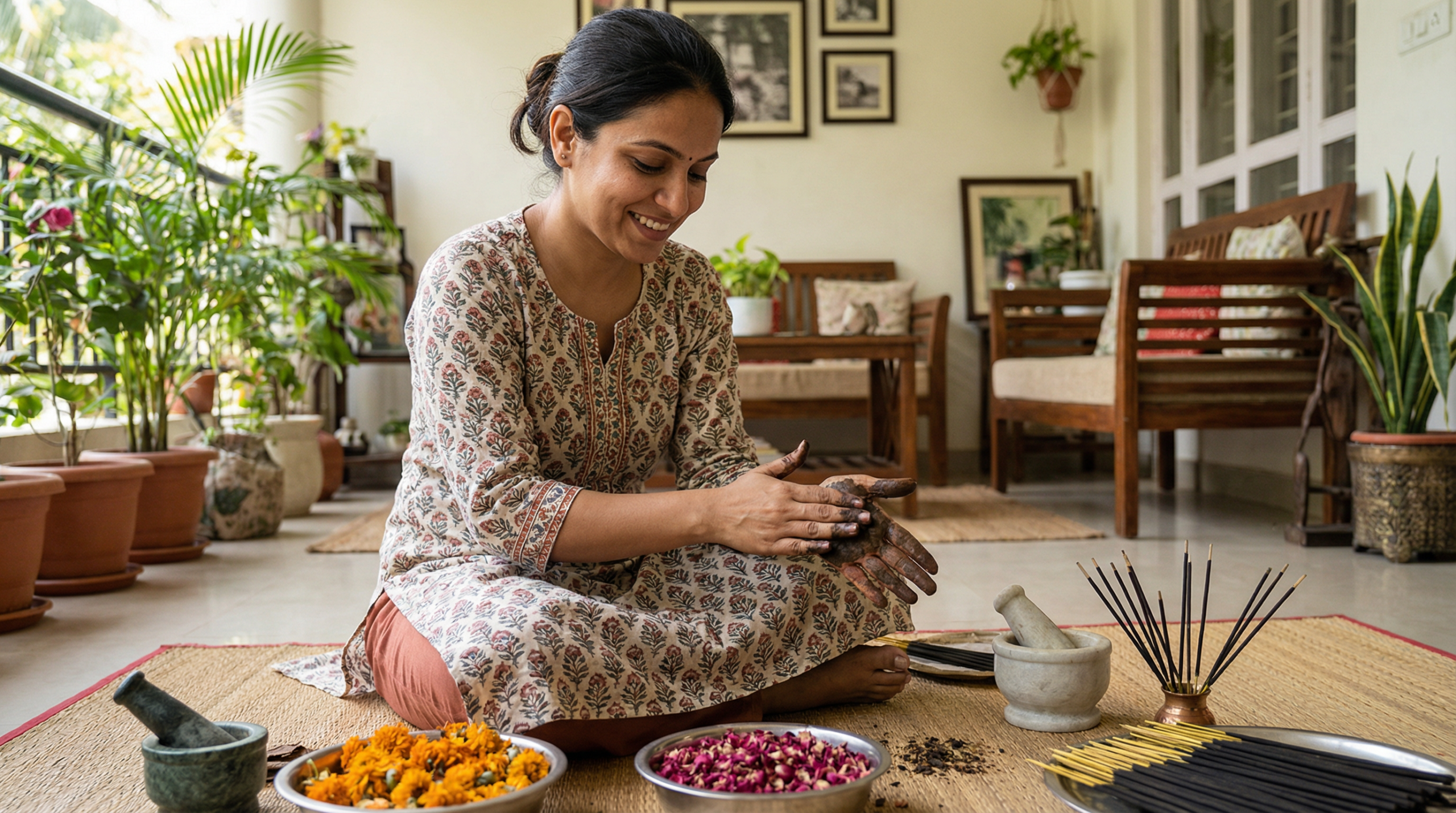
DIY Agarbattis: How to Turn Waste Pooja Flowers into Fragrant Incense Sticks
In many Indian homes, flowers are an essential part of daily pooja and festive rituals. From marigold garlands to fresh jasmine strands, flowers carry devotion, beauty, and meaning. Yet, once the prayers are done, these flowers often end up as waste.
What if those same pooja flowers could be reused thoughtfully, instead of being discarded?
Making agarbattis at home using leftover flowers is a simple way to honour tradition while being mindful of waste. It connects sustainability with ritual and allows you to understand incense beyond just lighting a stick, as something that begins with intention.
Why Reusing Pooja Flowers Matters
Pooja flowers are not ordinary waste. They have already played a role in prayer, gratitude, and devotion. Repurposing them respects their significance while supporting a more conscious lifestyle.
This practice also reflects a growing shift towards sustainable rituals, where tradition and responsibility coexist.
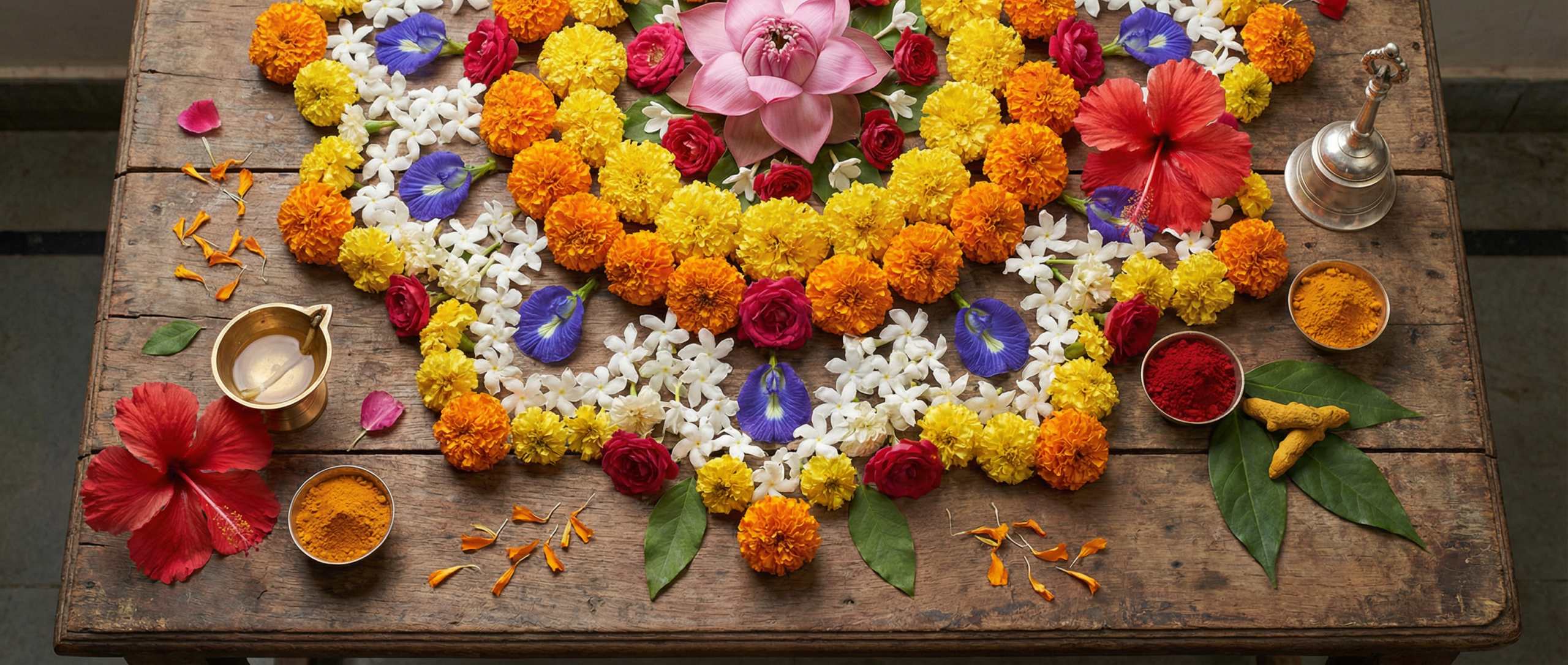
What You Will Need to Make DIY Agarbattis
Before you begin, gather the following materials. Most of these are easily available at home or in local stores.
- Leftover pooja flowers such as marigold, rose, jasmine, or lotus
- Makko powder, which acts as a natural binding agent
- Sawdust or coconut husk powder to support even burning
- Essential oils (optional), such as sandalwood or lavender
- Water, to bind the mixture
- Bamboo sticks for shaping
- A mixing bowl
- A blender or mortar and pestle
While this DIY process is rewarding, it also highlights the craftsmanship involved in professionally made incense. Brands like Padmini Agarbatti combine traditional knowledge with consistency, ensuring each stick burns evenly and carries a balanced fragrance.
Creating Unique Incense Fragrances with Flower Blends
One of the most enjoyable aspects of making agarbattis at home is experimenting with scent combinations. Different flowers and natural elements create different moods.
- Calming blends: Lavender, chamomile, and eucalyptus help create a relaxed atmosphere.
- Energising blends: Carnation, mint, and sage offer freshness and clarity.
- Floral blends: Rose, jasmine, and sandalwood create warmth and softness.
- Festive blends: Marigold, cinnamon, and bay leaves evoke celebration and nostalgia.
These combinations are often the inspiration behind traditional incense fragrances, including those found in curated ranges from Padmini Agarbatti.
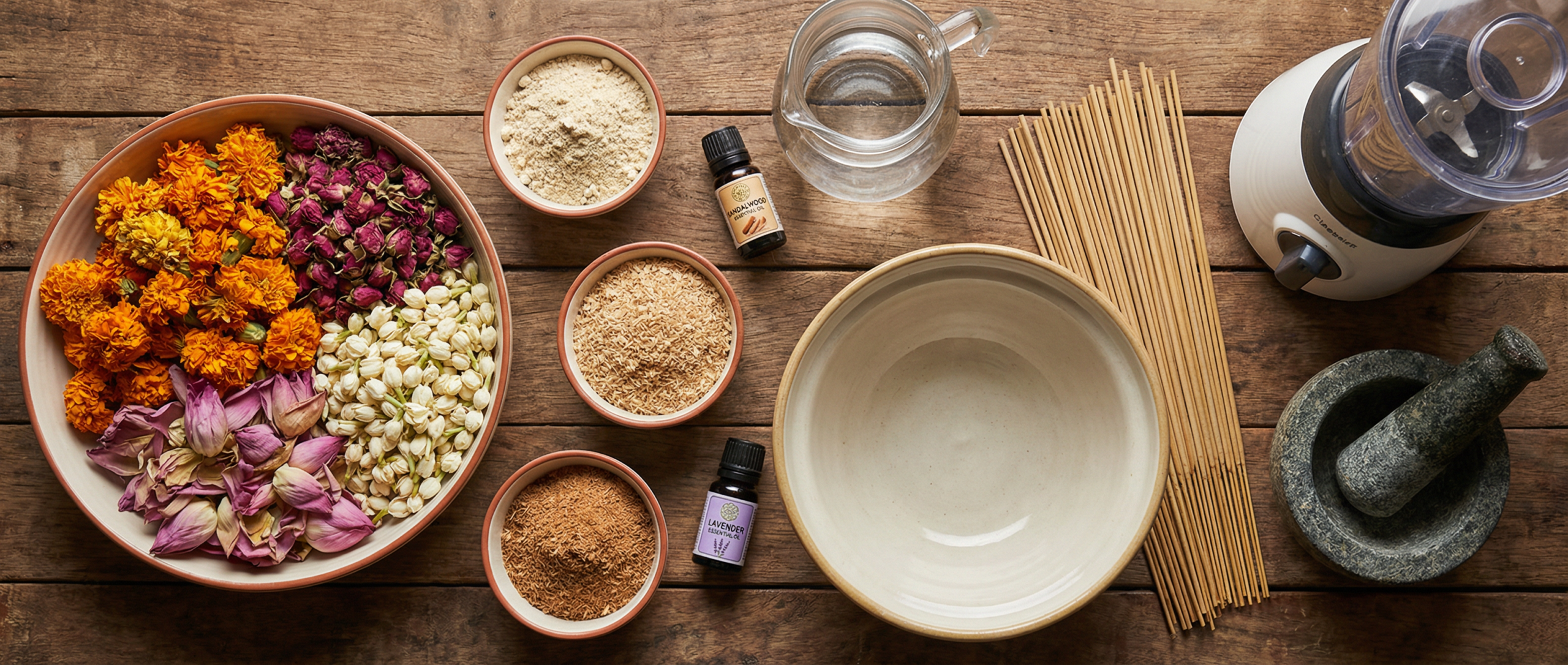
Step-by-Step Guide to Making Incense Sticks at Home
Once your materials and fragrance blend are ready, follow these steps carefully.
Step 1: Prepare the Flowers
Collect the leftover pooja flowers and allow them to dry naturally in a shaded, airy space for a few days. Once fully dry, grind them into a fine powder using a blender or mortar and pestle.
Drying the flowers properly ensures a cleaner burn and better fragrance release.
Step 2: Mix the Dry Ingredients
In a bowl, combine equal parts of flower powder, Makko powder, and sawdust or coconut husk powder. Mix thoroughly so the ingredients are evenly distributed.
This balance is essential for binding and burning consistency.
Step 3: Add Water and Optional Oils
Gradually add water to the mixture while stirring. The consistency should resemble soft dough, firm enough to shape, but not sticky.
If desired, add a few drops of essential oil for enhanced fragrance. Use oils sparingly to avoid overpowering the natural floral scent.
Step 4: Shape the Incense Sticks
Take small portions of the mixture and gently roll them around bamboo sticks, leaving one end uncovered for lighting. Press evenly so the mixture adheres securely to the stick.
This step requires patience, which is why many people appreciate the craftsmanship behind ready-made incense sticks from trusted brands like Padmini Agarbatti.
Step 5: Dry the Sticks Completely
Lay the incense sticks on a drying rack or parchment paper in a cool, dark place. Allow them to dry for 24 to 48 hours, ensuring they do not touch each other.
Once fully dry, they are ready to use.
DIY Incense vs Ready-Made Agarbattis
Making incense at home is a meaningful experience, especially from a sustainability perspective. However, it also helps you appreciate the expertise involved in professionally crafted incense.
High-quality agarbattis, such as those by Padmini Agarbatti, are carefully formulated to ensure even burning, consistent fragrance, and safety making them ideal for everyday rituals when time or materials are limited.
A Thoughtful Way to Extend Your Rituals
Turning waste pooja flowers into incense sticks is not just a DIY activity. It is a way of extending devotion beyond prayer, allowing rituals to continue through fragrance and mindfulness.
Whether you choose to craft your own incense occasionally or rely on trusted brands like Padmini Agarbatti for daily use, the intention remains the same, creating a home filled with calm, warmth, and meaning.
The next time flowers remain after a pooja or celebration, you may see them not as waste, but as an opportunity to reconnect with tradition in a more conscious way.