
Explore India’s Royal Fragrance Heritage with Padmini Agarbatti
Explore India’s Royal Fragrance Heritage with Padmini Agarbatti
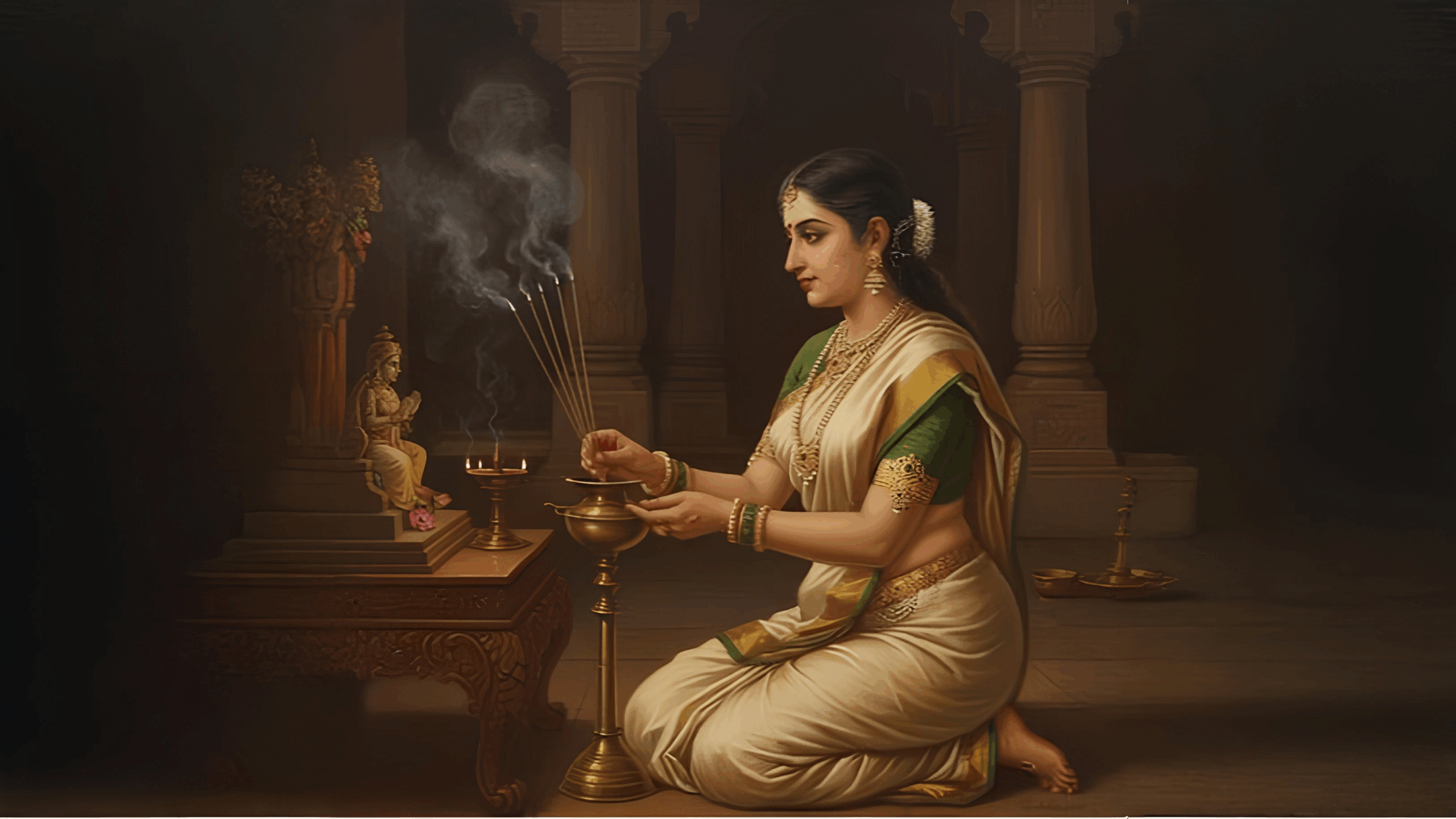
Have you ever wondered how fragrance became such an essential part of India’s story? From ancient rituals to royal ceremonies, scent has always played a quiet yet meaningful role in our culture. It has been used to honour the divine, to celebrate beauty, and to bring peace into daily life.
The agarbatti we light today is part of that long tradition. Its smoke once filled temples, palaces, and gardens across India, carrying prayers, blessings, and artistry through the ages. Each period of history left its own mark on how fragrance was created and cherished, from the sacred sandalwood of Mysore to the rose gardens of the Mughals and the lavender fields introduced during the colonial era. The journey of fragrance in India is a story of culture, craftsmanship, and timeless grace.
Ancient Roots of India’s Fragrance Tradition
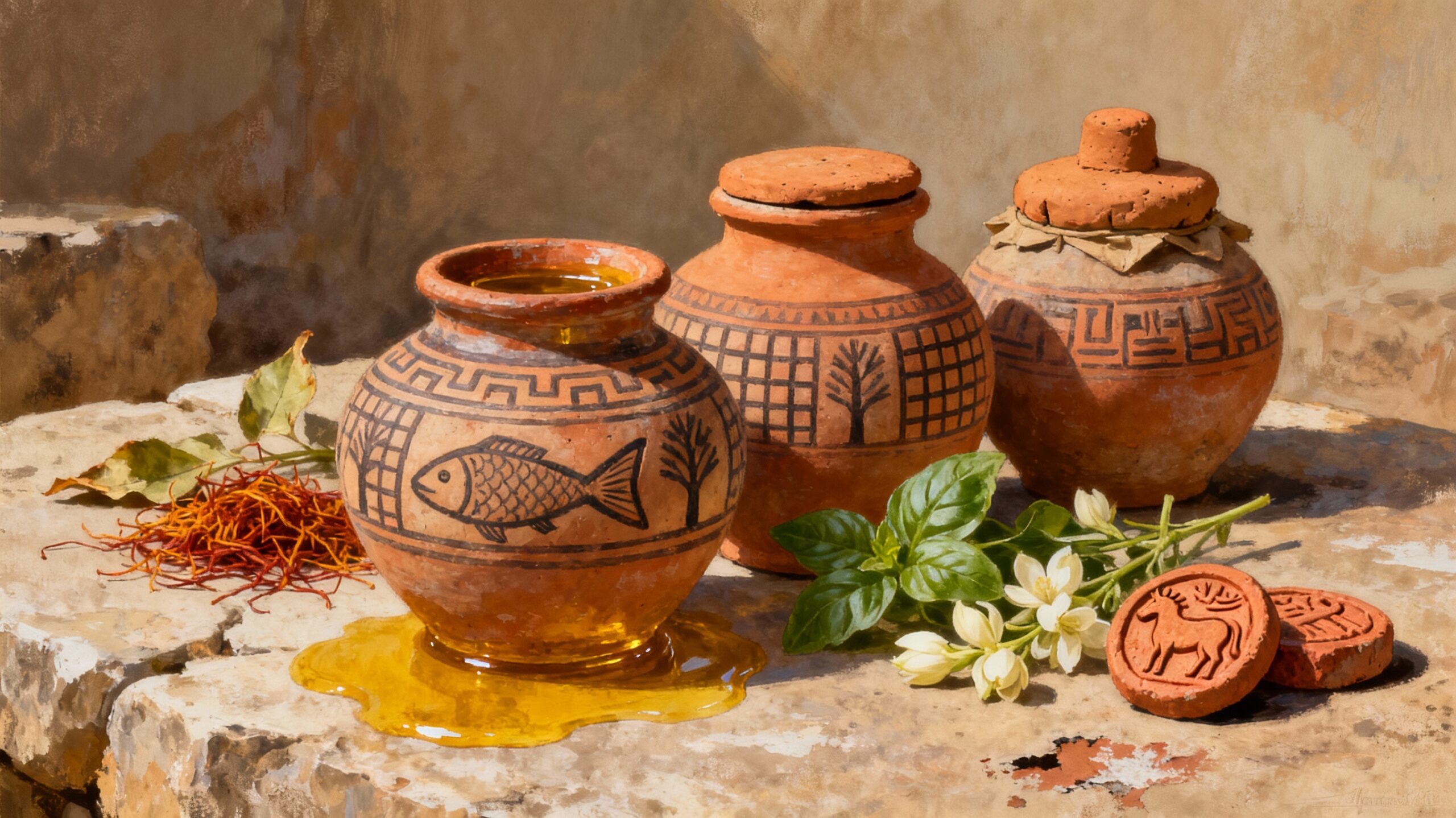
India’s fragrance tradition dates back thousands of years, long before sticks of agarbatti became household essentials. Archaeological findings from the Indus Valley civilisation reveal early uses of scented oils and aromatic substances.
By the Vedic era, fragrant ingredients such as sandalwood, frankincense, and camphor played central roles in rituals and spiritual ceremonies. Considered sacred, these scents were not only offerings to deities but also symbols of purity and divine presence.
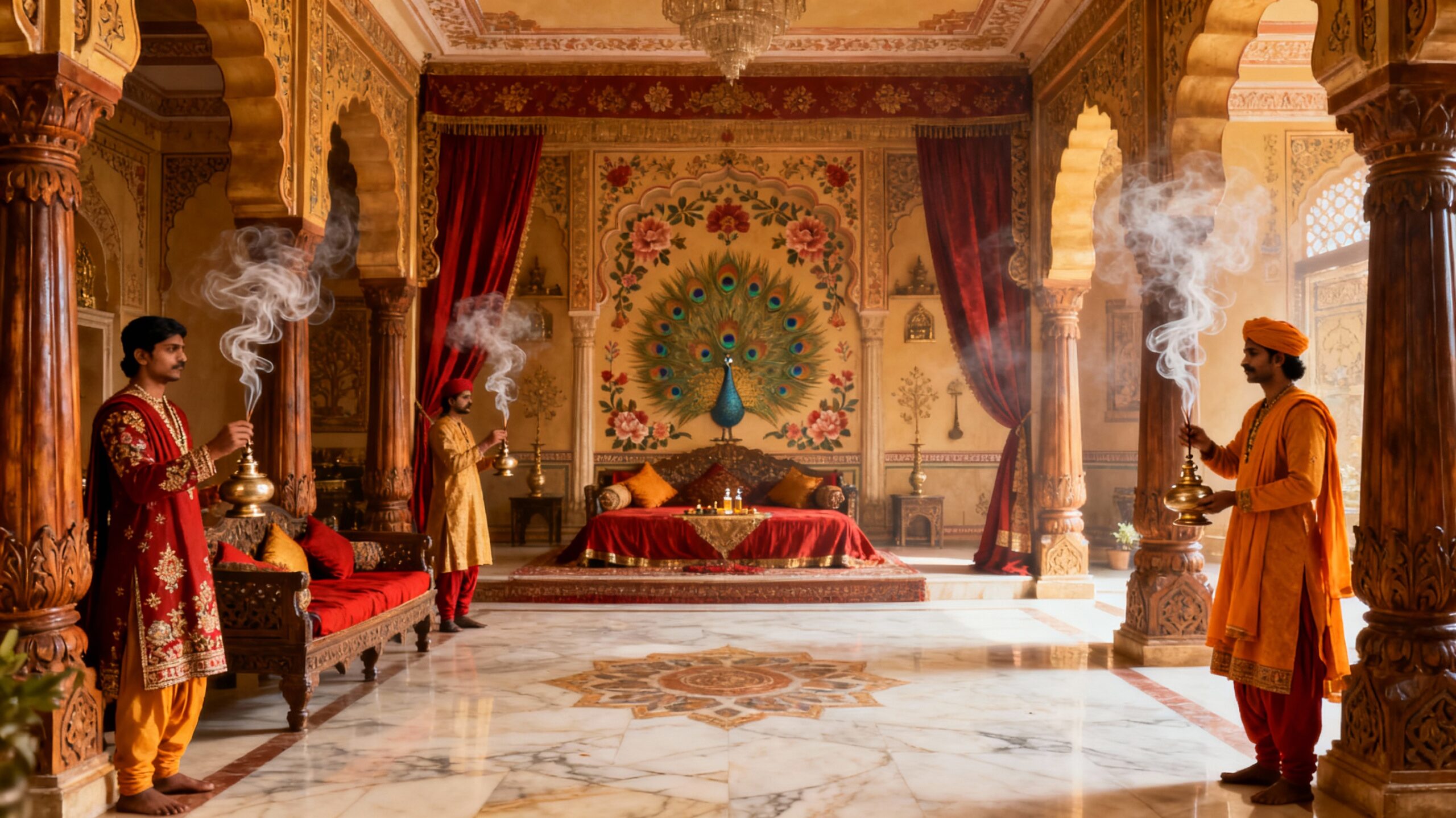
When Indian royalty embraced fragrance, it became a vital part of court culture. Palaces were filled with the aroma of sandalwood, musk, and floral attars, which express sophistication and reverence. The scents favoured by Indian royalty carried deep symbolic meanings. Sandalwood, with its velvety aroma, was sacred and used in royal baths, rituals, and meditation. Floral notes such as jasmine and rose represented purity and luxury, while lavender, which was introduced during the Victorian era, added a soothing, refined touch reserved for the elite.
Many luxurious perfumes loved in the Arab world have deep roots in India. Ingredients such as camphor, ambergris, and sandalwood, as well as fragrant compounds like nadd and ghāliya, were largely unknown in the Middle East until the era of the Muslim conquests, which introduced these prized scents.
India’s Fragrant Dynasties: A Journey Through Royal Aromas
In ancient India, fragrance was inseparable from both prestige and spirituality. Kings and queens used blends of sandalwood, jasmine, and camphor to purify temples and adorn royal chambers. These natural ingredients were both pleasing and sacred, believed to invite prosperity and divine blessings.
Padmini Agarbatti continues to celebrate this royal tradition, with each stick embodying centuries of craftsmanship and refinement. Let’s travel through time to see how fragrance evolved through India’s royal dynasties.
Jasmine: The Royal Flower of Indian Kings
Jasmine, or Madurai Mallige, holds a revered place in India’s royal and cultural history. With its delicate, sweet fragrance, jasmine symbolised purity, beauty, and devotion. In many Hindu royal courts, it was considered sacred and used to adorn temples, palaces, and idols.
Kings and nobles wore jasmine garlands during religious ceremonies and festivities, expressing divine grace and royal elegance. Especially in Tamil Nadu, jasmine was closely associated with the Chola dynasty, whose patronage of temple arts and fragrances made its aroma a symbol of spirituality and prosperity. Today, Padmini Madurai Malli captures that royal essence by blending jasmine’s timeless beauty with refined craftsmanship to bring purity and grace into every home.
Mughal Influence: The Pinnacle of Royal Fragrance Craftsmanship
The Mughal emperors of the 16th and 17th centuries elevated perfumery to an art form. Influenced by Persian traditions and experts in botanical extraction techniques, the Mughal courts became famed for their attars, or traditional perfume oils that remain legendary today.
Kannauj, known as the “Grasse of the East”, emerged as the heart of this craftsmanship. Royalty used perfumed garments, scented fountains, and fragrant chambers to embody their power and refinement. Emperor Jahangir himself was celebrated for his deep appreciation of perfumes and gardens, viewing fragrance as both a personal pleasure and a symbol of moral and cultural grace.
The fragrance of roses became synonymous with refinement and purity, embodying the Mughal appreciation for balance between earthly pleasure and spiritual serenity. The famed gulab jal (rose water) was used in everything from royal baths and banquets to temple offerings and medicinal preparations. Padmini Gulistan is a luxurious rose aroma that evokes the opulence of imperial India and the timeless grace of its fragrant heritage.
The Wadiyar Dynasty and Mysore’s Fragrance Heritage

The Wadiyars of Mysore treasured sandalwood as a royal emblem and state monopoly. It was stored in special godowns called Sandal Kotis, and royal custom included gifting sandalwood products to dignitaries, such as sandal oil to Lord Valentia in 1804 and a sandalwood walking stick to Queen Victoria in 1861, a royal custom established by Maharaja Mummadi Krishna Raja Wadiyar.
During World War I, British export bans prompted Maharaja Nalwadi Krishna Raja Wadiyar IV and Diwan Sir M. Visvesvaraya to establish the Mysore Sandalwood Oil Factory in 1916, using surplus sandalwood to produce pure oil. This innovation later inspired the creation of Mysore Sandal Soap, India’s first soap infused with natural sandalwood oil.
Today, that legacy lives on in creations like Padmini Sandal Ultimo Agarbatti, which carries Mysore’s royal fragrance heritage into contemporary homes.
Lavender: The Colonial Influence of the British Empire
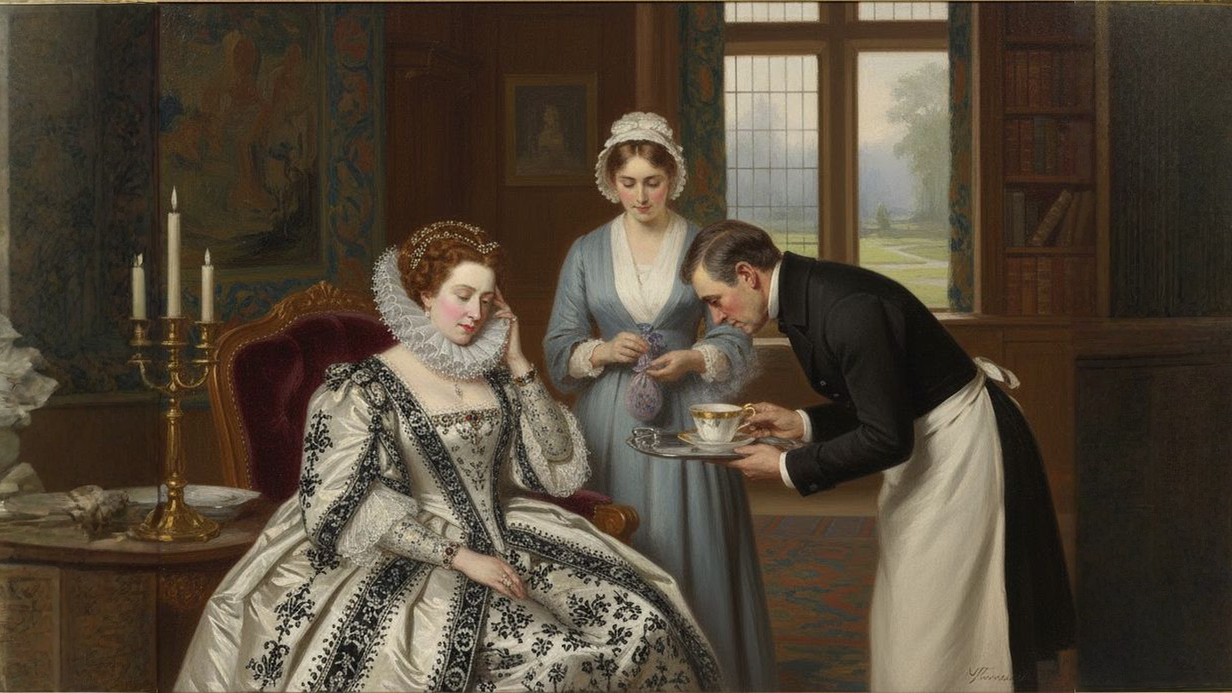
With the arrival of European powers, especially during the British colonial period, India’s fragrance palette expanded to include floral notes from the West. Among them, lavender stood out for its calming and refined aroma, a scent long associated with Victorian elegance and sophistication. Queen Elizabeth I famously loved lavender, using it as a perfume and even in her tea for migraines, and insisting it be available year-round on her estate.
Indian perfumers began blending lavender with traditional bases like sandalwood and jasmine, creating unique fusions that symbolised both continuity and change.
What began as a foreign fragrance gradually became part of Indian rituals, representing peace, purity, and modern grace.
Padmini Lavender Agarbatti carries this legacy forward by blending the soothing freshness of lavender with traditional Indian craftsmanship. It captures the serene spirit of colonial-era refinement while staying true to the soulful warmth of India’s incense heritage, a fragrance that calms the mind and elevates every space.
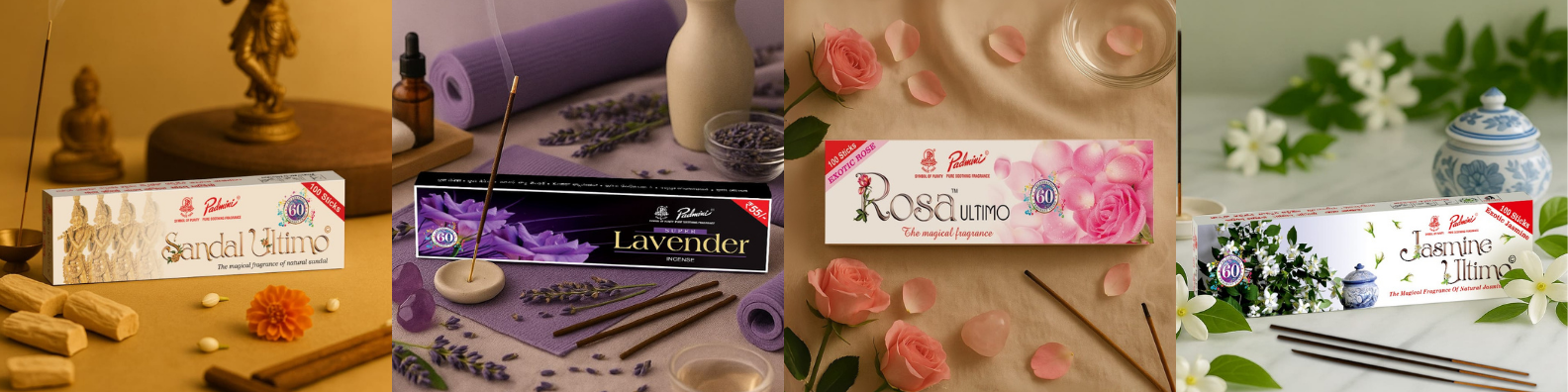
These fragrances, crafted from natural, locally sourced ingredients, reflected India’s rich biodiversity and artisanal traditions. This philosophy of blending nature’s purity with luxury continues to guide Padmini Agarbatti today. Our dedication to purity, quality, and spirituality mirrors that of ancient royal artisans.
As a result, agarbatti remains an essential part of both heritage and daily practice in many Indian households.
Moreover, using agarbatti in different ceremonies shows its role in linking the spiritual and physical worlds.
Today, agarbatti is known for helping with meditation and relaxation, creating a peaceful atmosphere at home.
Fragrance, after all, is more than luxury; it embodies memory, emotion, and devotion. From ancient royal courts to today’s homes, Padmini proudly continues this timeless legacy.
Explore the royal origins of Indian agarbatti and discover timeless fragrances at www.padmini.in.