Why Indian Incense Has a Richer Scent: Ingredients and Traditions
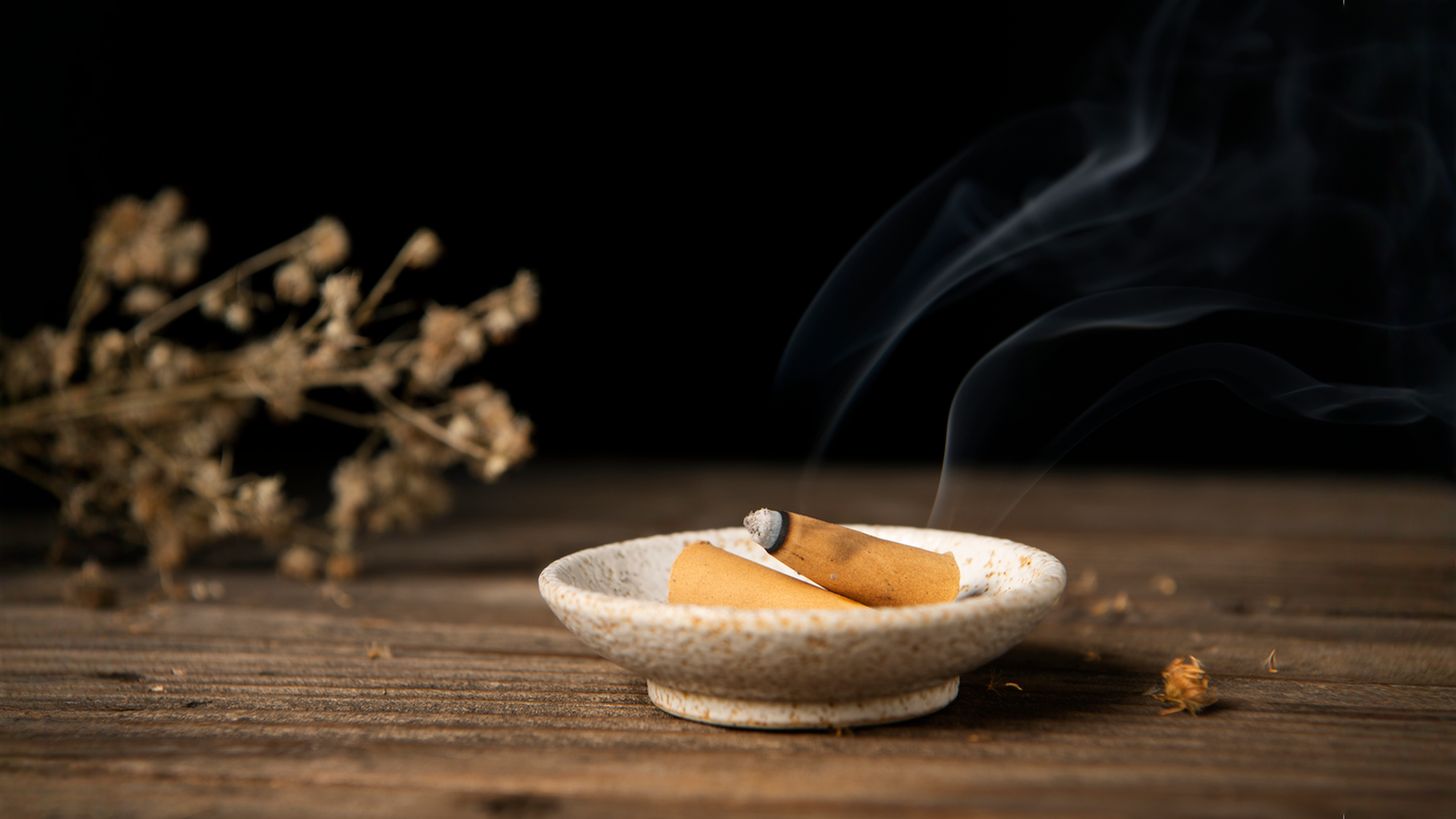
Why Indian Incense Has a Richer Scent: Ingredients and Traditions
Indian incense is renowned worldwide for its rich and layered scent, a result of centuries of craftsmanship, sacred traditions, and a unique blend of natural ingredients. This blog unravels the secrets behind the captivating aroma of Indian agarbatti, combining ingredient insights, cultural lore, and ancient wisdom to enrich your understanding.
Why Indian Agarbattis Smell Richer
Indian Craftsmanship
In India, incense sticks or agarbatti are not merely fragrant products but soulful expressions of spirituality and heritage. India’s diverse climate and flora provide a natural bounty of aromatic woods, resins, spices, and flowers that form the core of these agarbatti sticks. The craftsmanship and scent complexity come from blending these elements with precision, creating fragrances with remarkable depth and persistence.
Another reason Indian incense smells richer is that its makers were early pioneers of handcrafted mass production. Artisan families worked together in an assembly line style long before the concept existed in factories. This collective process created consistency, scale, and a unique craftsmanship tradition that helped Indian incense travel across the world.
Rich Ingredients
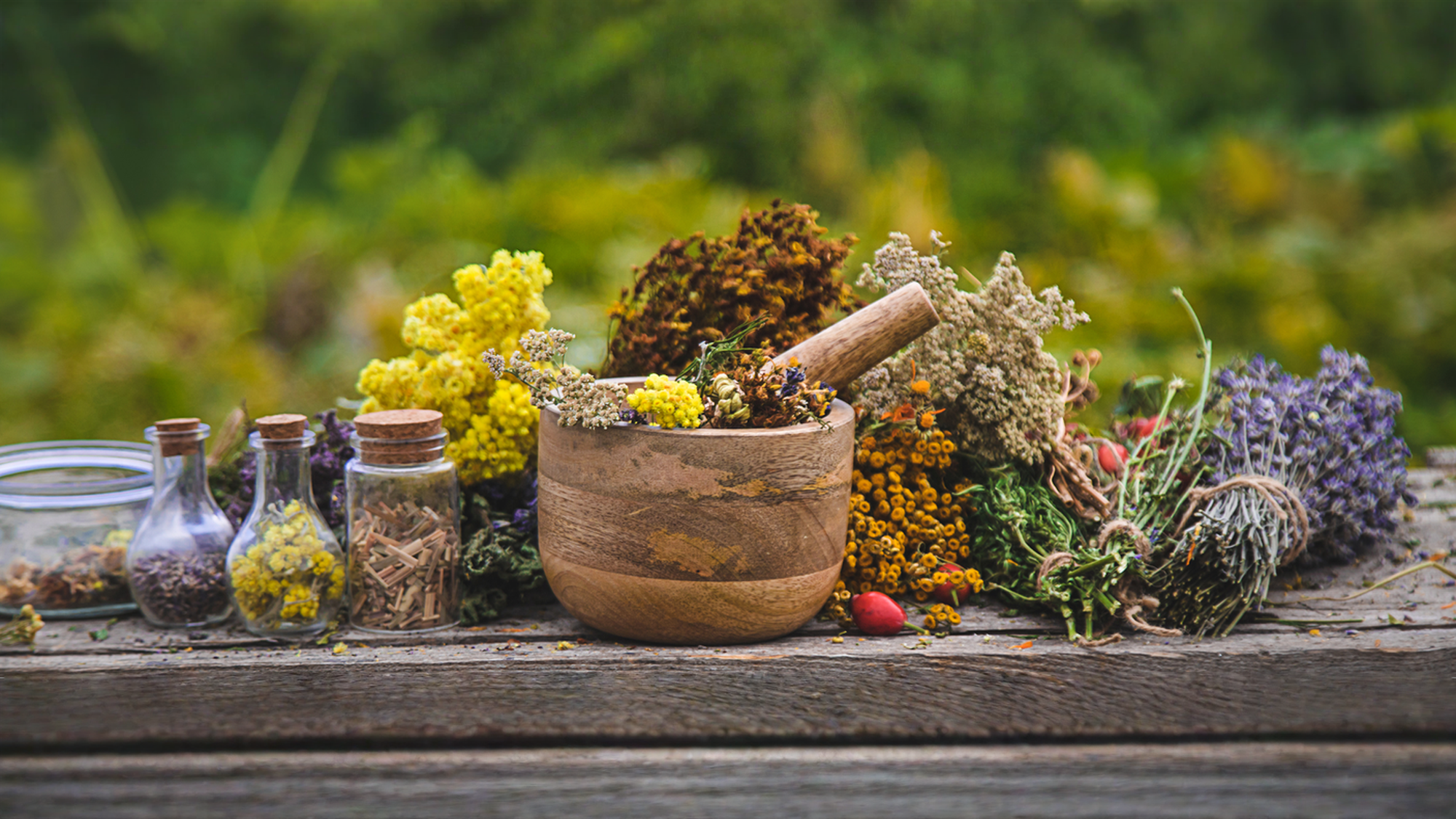
A key element is the use of masalas, aromatic spice blends inspired by Indian culinary traditions. These include cloves, cinnamon, cardamom, nutmeg, and saffron, which introduce warm and spicy undertones that complement the deeper notes of wood and resin. These spices elevate the scent’s brightness and longevity, giving each agarbatti its signature character. Masala blends also follow a philosophy similar to perfumery, with top, middle, and base notes that slowly reveal themselves during the burn.
Traditional incense makers sometimes used rare ingredients like halmaddi, a sticky resin that once gave certain classic agarbatti sticks their soft texture and slow burn. It added a gentle sweetness and helped the fragrance linger in the air. Though halmaddi is less common today, it remains a symbol of the depth and complexity that defines Indian incense.
Structure of the Agarbatti: Bamboo Core, Wood and Charcoal Powders
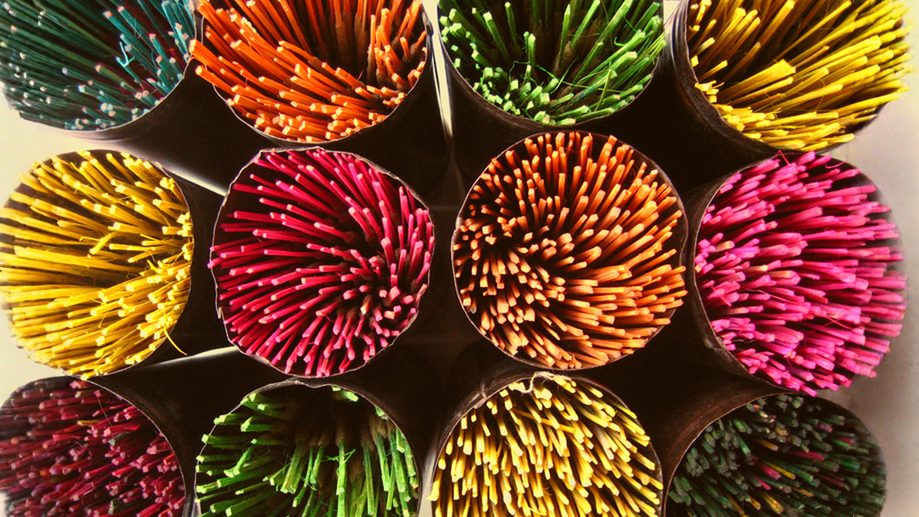
The bamboo stick at the core of Indian agarbatti is another important evolution. While many East Asian incense traditions are stickless, Indian makers introduced bamboo for its clean burn and the beautiful curling smoke trail it produces. Bamboo also made it possible to create thinner, more portable incense that was easy to use in everyday rituals.
The structure of Indian agarbatti includes charcoal powder and wood powders such as Jigat/Joss powder or Machilus. Charcoal ensures even burning while the wood powder stabilises the flame and slows down diffusion. Natural binding agents such as joss powder and gum arabic help the mixture cling evenly to the bamboo, creating smooth and consistent sticks.
Cultural Secrets from Ancient Scriptures and History
Ancient Indian texts offer fascinating insights into the sacred role of incense. The Vedas describe incense as a purifier and divine offering and contain early references to preparing agarbatti to create a pleasant and sanctified environment.
The Mahabharata presents a thoughtful classification of incense ingredients. Niryasa refers to resins such as frankincense and myrrh. Sarin refers to woods, roots, flowers, and herbs. Kitrima describes processed agents like jaggery. This early understanding of ingredients still influences agarbatti making today.
Ayurvedic philosophies connect the ingredients of incense to the five elements: ether, air, fire, water, and earth. This creates a framework in which scent is not only aromatic but also therapeutic, helping regulate mood and energy. Certain blends were believed to sharpen focus, while others calmed the mind or cleansed the air. These principles still shape modern aromatic practices.
Indian geography also played a role in shaping incense traditions. South India became known for sandalwood, temple florals, and jasmine. North India developed a rich heritage of rose-based scents influenced by Mughal perfumery. Eastern regions favoured herbal and forest-inspired fragrances. This regional diversity contributes to the wide range of Indian agarbattis available today.
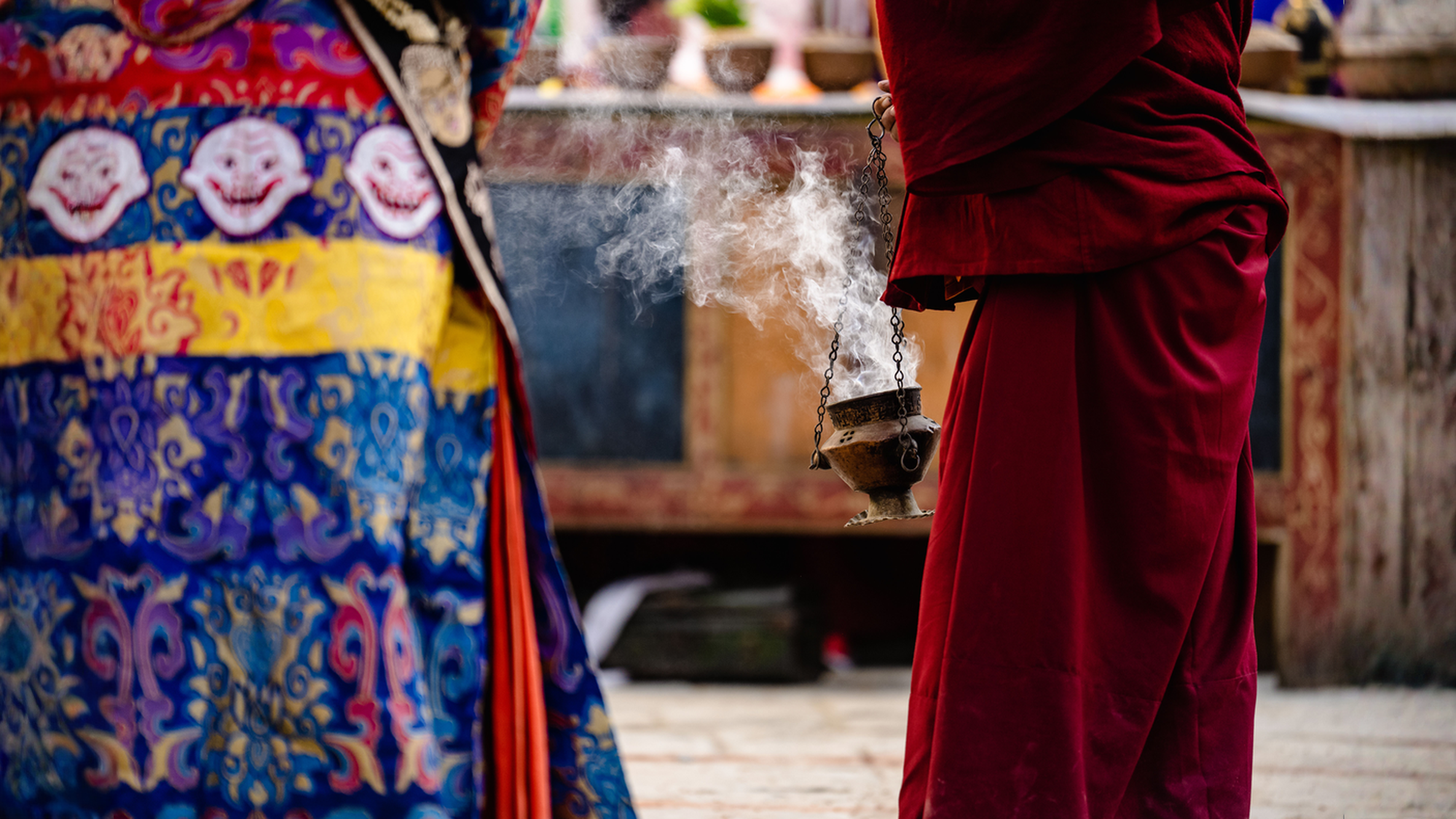
Buddhist traditions embraced incense as a tool for meditation and purity. Buddhist monks used it to foster focus and calm, helping spread Indian incense practices across Southeast and East Asia.
Beyond spiritual use, the Arthashastra, a treatise on governance from the 4th century BCE, highlights the economic importance of incense ingredients. Precious woods and resins were traded widely and often carried symbolic value. Incense materials sometimes appeared in diplomatic exchanges and royal gifts.
Incense also held a place in artistic and creative settings. Storytellers, musicians, and poets often burned agarbatti or dhoop before performances to invite clarity and inspiration. Its rising smoke symbolised an offering of intention, a gesture that unified different cultural and spiritual traditions.
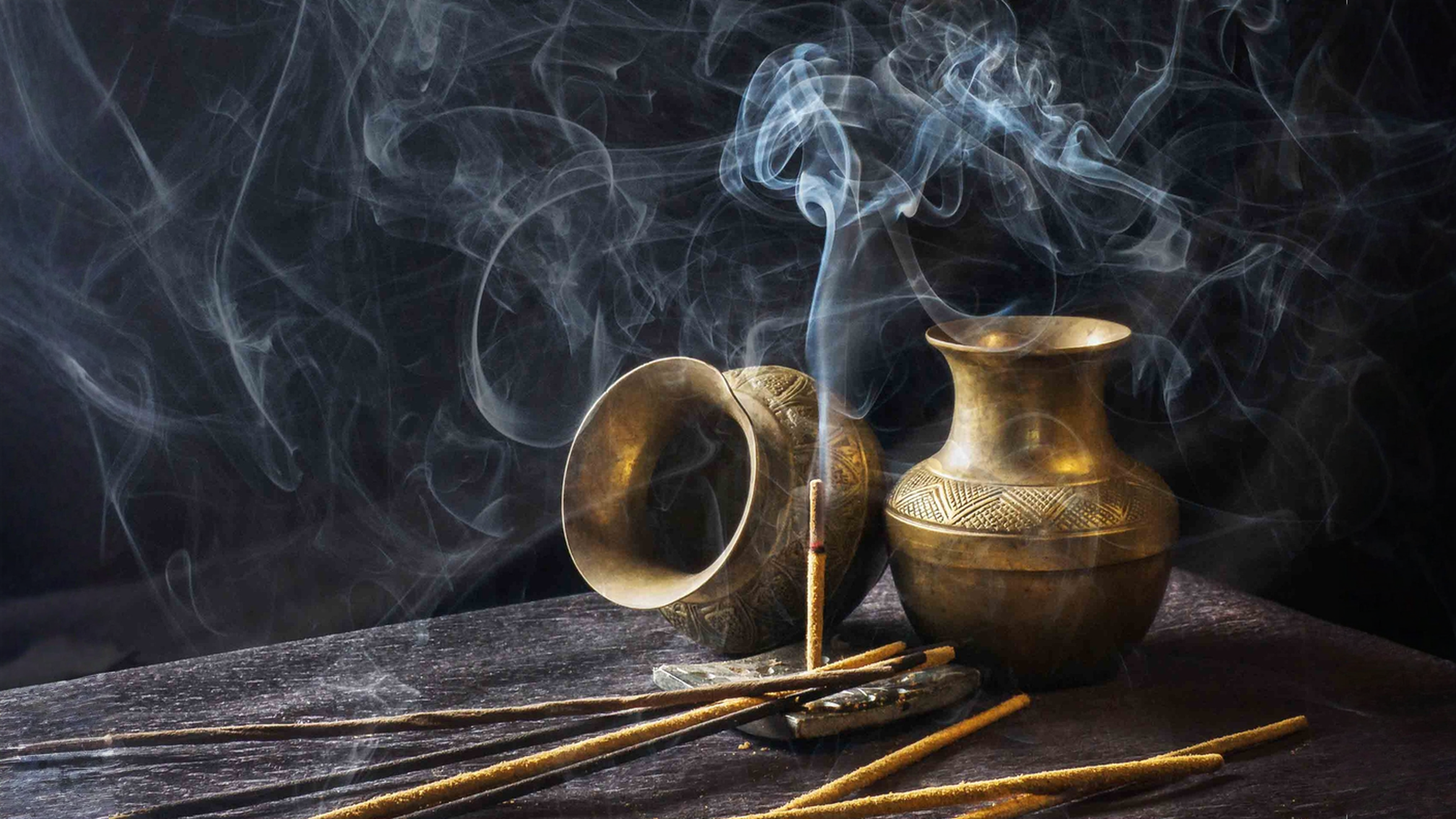
Unique Signature Scents
Among the many fragrances that Indian incense carries, sandalwood, rose, and jasmine remain timeless favourites.
Sandalwood offers a creamy and velvety aroma traditionally associated with meditation and royal rituals. Mysore sandalwood in particular is prized for its deep and lasting fragrance. Throughout history, sandalwood logs were exchanged as gifts between rulers and were treated as symbols of diplomacy and wealth.
Rose lends floral sweetness and romantic calm. It has roots in Mughal perfumery, where rose attars were treasured in palace rituals. Its gentle aroma continues to create a feeling of harmony in homes and places of worship.
Jasmine presents an intoxicating and uplifting scent that symbolises purity and spiritual harmony. It was cherished in the courts of southern India and remains a beloved fragrance for creating a serene and welcoming atmosphere.
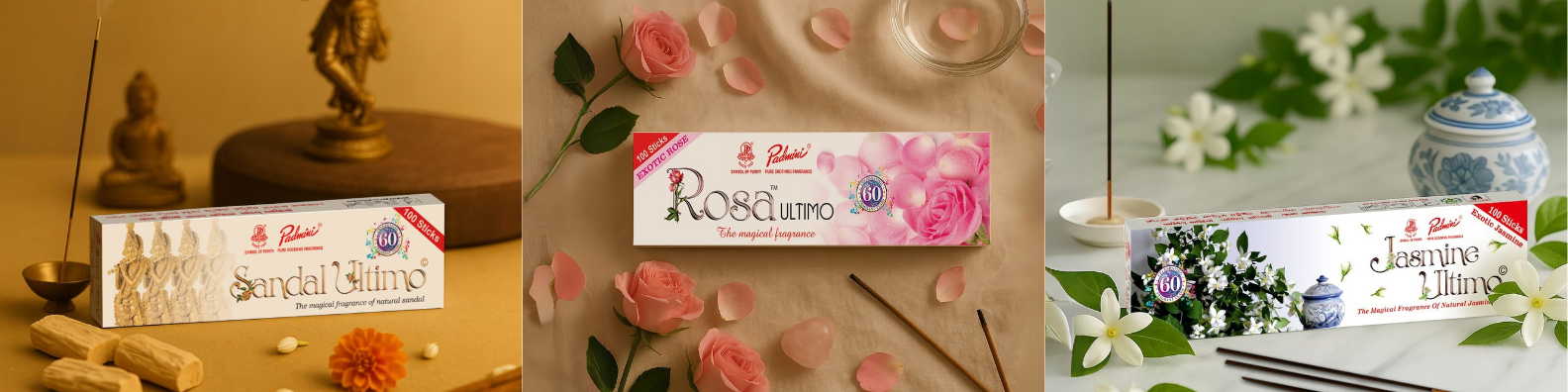
Experience Padmini’s Signature Range
To experience this rich heritage at home, Padmini offers a curated selection of premium agarbatti sticks.
Masala Agarbattis that blend traditional spices, resins, and flowers for both ritual and relaxation, Padmini’s range of masala agarbattis includes 4 handcrafted masala agarbattis, namely Pakeezah, Tapas, Slok and Rituals
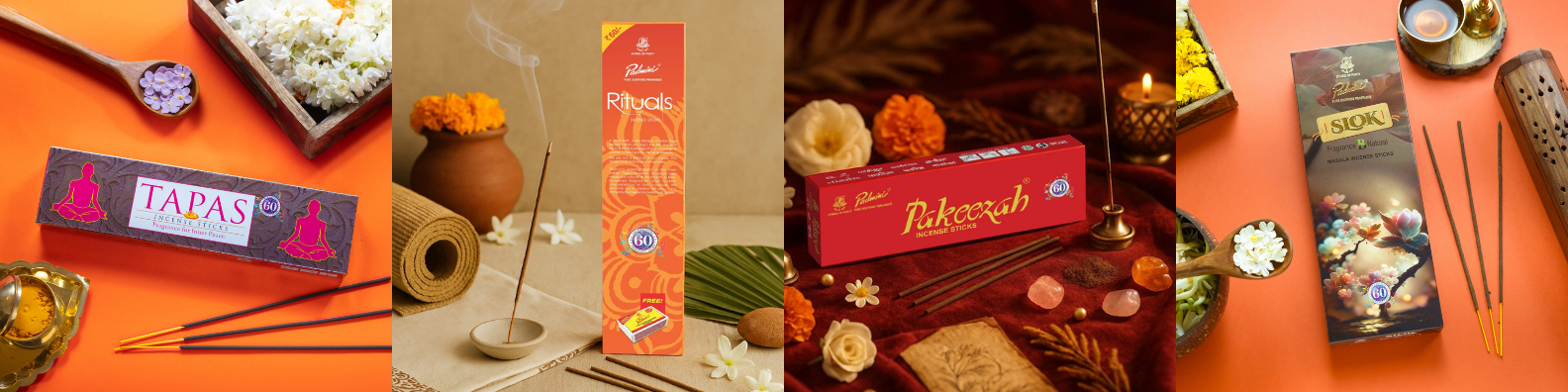
Each Padmini agarbatti is a fragrant journey into the cultural soul of India, created with authentic ingredients and artisanal care that carry centuries of tradition into the modern world.
Discover more agarbatti to enrich your reading, music and artistic moments at www.padmini.in.