Incense in Indian Arts: Why Agarbatti Still Shapes Creativity Today
How Incense Shaped Indian Literature, Arts, Music and Dance: A Cultural History of Creative Rituals
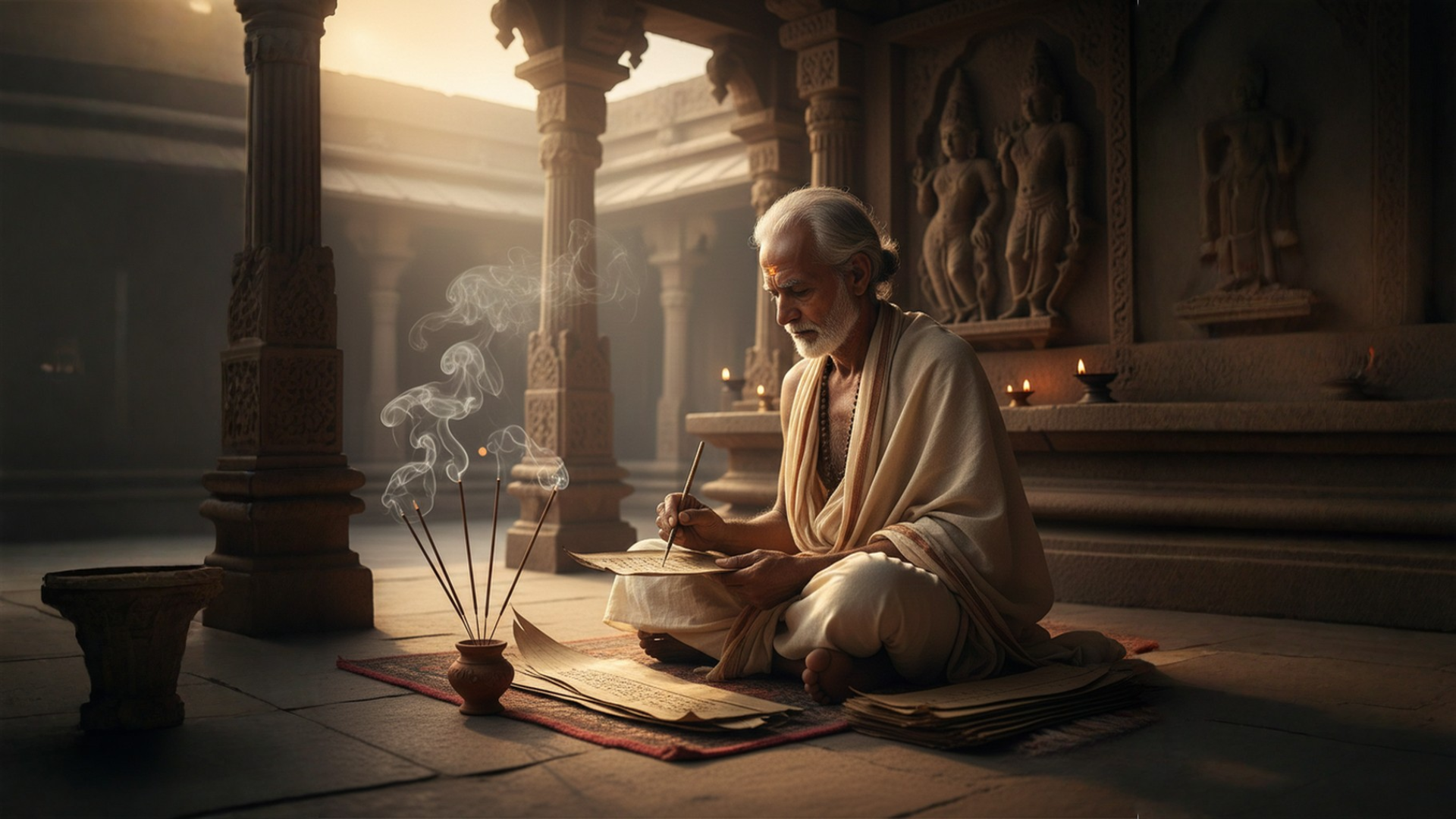
Most of us associate agarbatti with prayer or ritual, but its roots stretch far beyond the puja space. In ancient times, creative practices such as writing, music, dance, storytelling, and even teaching were regarded as sacred acts. People lit incense not just to honour the divine, but to honour the creative process itself.
That idea still holds up today. Whether you’re reading, painting, practising an instrument or simply trying to carve a small, peaceful corner in your busy day, scent can help set the tone. This blog explores how incense has shaped Indian literature and the arts, and how those same traditions can enrich the creative rituals we carry into our own lives.
Incense in Indian Literature and Folk Stories
Scent as a Narrative Signal
Indian writers have long used fragrance as a tool to guide emotion. Scent often marks the beginning of a shift: a character entering a sacred space, diving into memory or facing a moment of clarity. Descriptions of jasmine, sandalwood or forest resins often appear right before something meaningful unfolds, almost like a sensory cue to the reader.
Folk Tales and Fragrance as World-Building
In folk stories across India, incense plays the role of both symbol and atmosphere. A trail of fragrance may lead a hero towards a temple, a secret grove or the presence of a spirit. Homes being protected with incense, or rituals beginning with fragrant smoke, are recurring motifs in village storytelling traditions.
During live, nighttime storytelling in rural communities, performers often began sessions by burning incense so listeners understood that they were entering the “story world”. Floral and woody scents were especially common for their stability and softness.
The Role of Scent in Indian Artistic Expressions
Scent and Classical Music
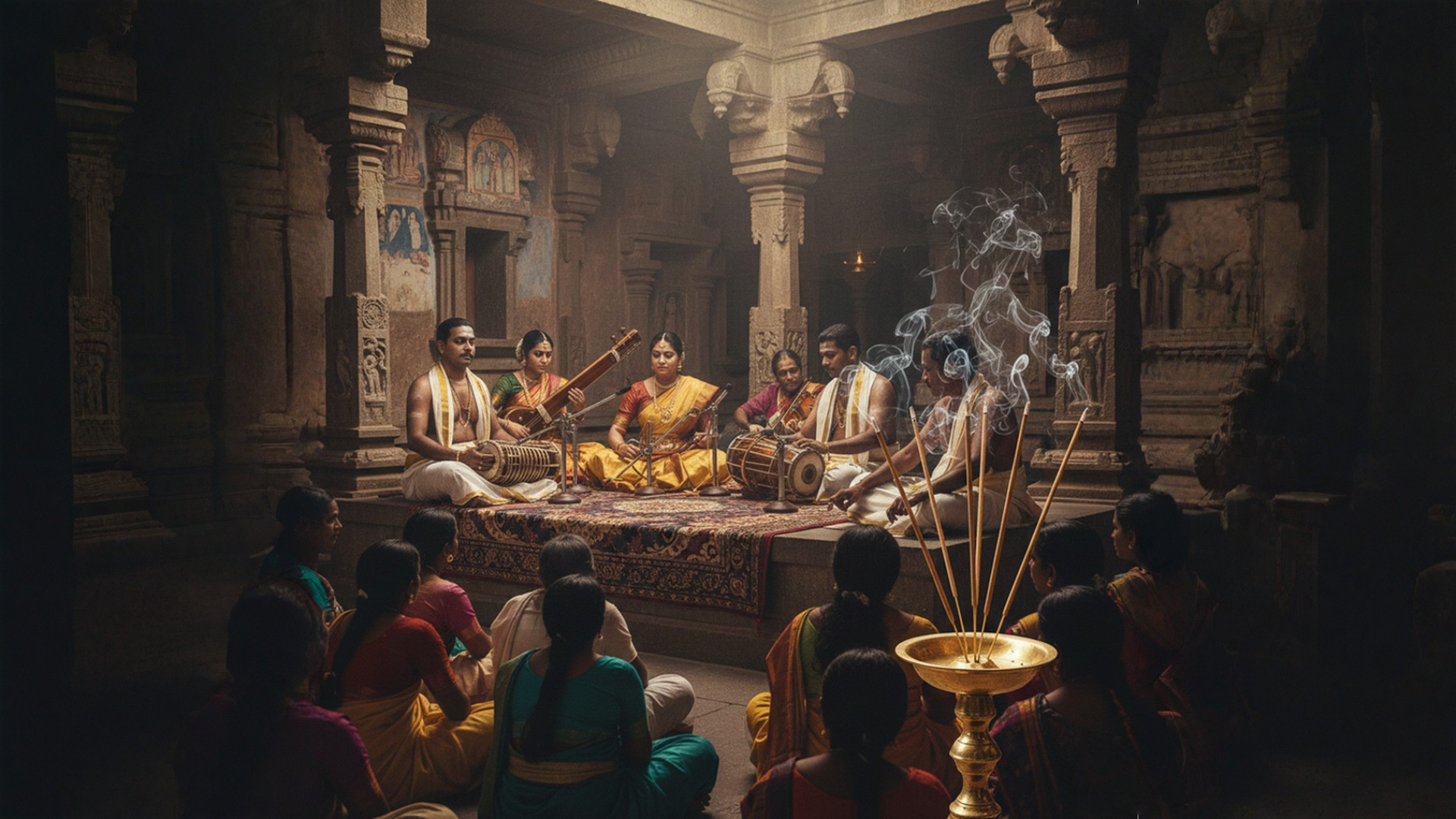
Classical music was historically experienced with all the senses. Small gatherings often included incense to help musicians and listeners settle into the emotional space of a raga. Evening ragas, in particular, were associated with gentle floral or calming fragrances that eased the audience into a receptive state.
Courts and temples sometimes preferred deeper aromatic notes to create gravity and focus. These sensory environments helped shape how music was received, felt and remembered.
Scent in Creative Environments
Throughout history, Indian creative spaces like scriptoria, painting rooms, performance halls and teaching courtyards used incense not as decoration but as mental architecture. Fragrance helped centre attention, reduce sensory clutter and create emotional coherence.
Even today, studios, rehearsal rooms and writing corners across India still rely on scent to help creators transition into their craft.
Scent in Dance Traditions
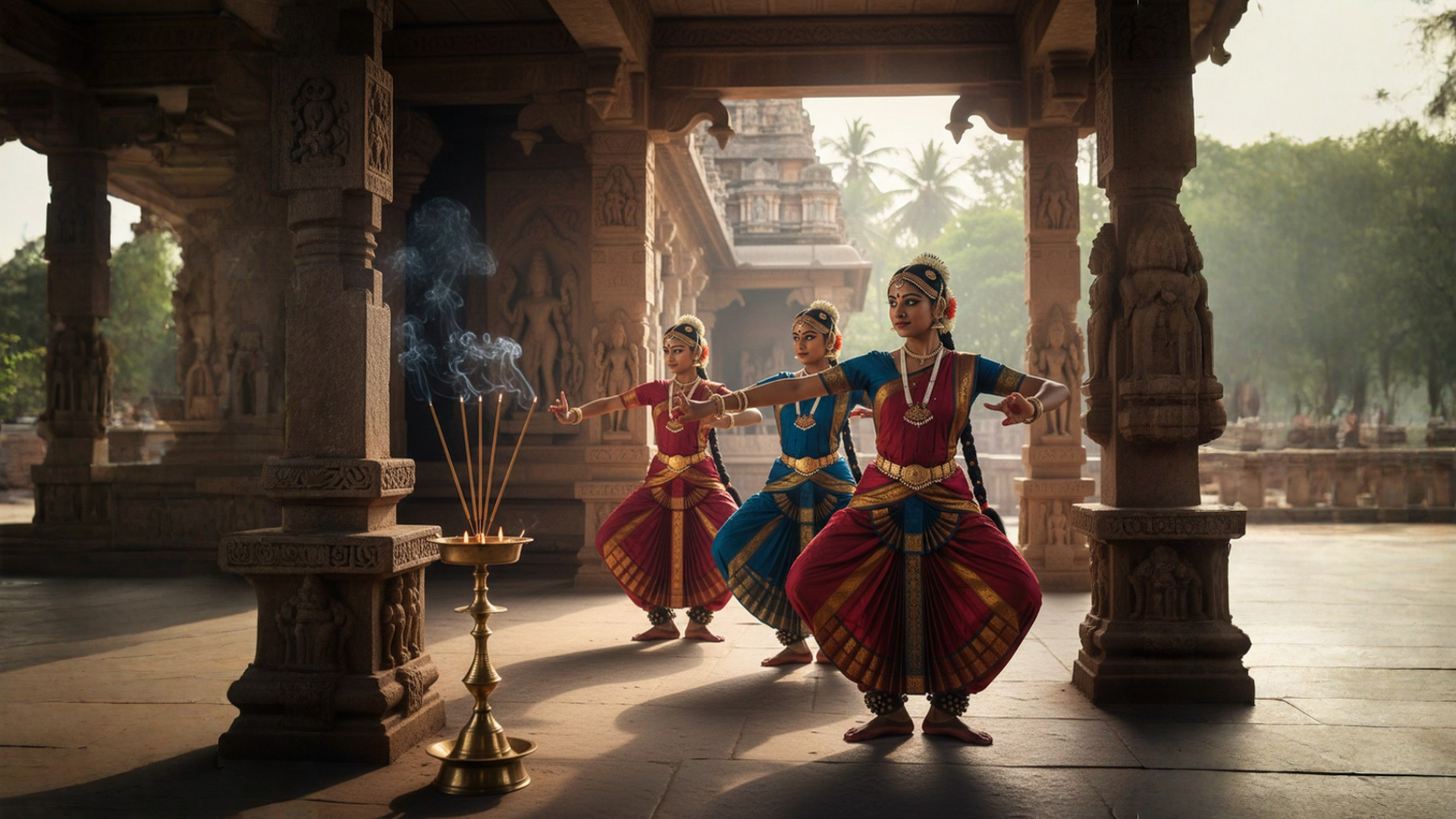
In classical dance forms like Bharatanatyam, Odissi and Kuchipudi, fragrance was woven into the dancer’s identity. Fresh jasmine strands worn in the hair symbolised auspiciousness, beauty and emotional openness. The scent helped the dancer embody the character’s rasa or the emotional flavour of the performance.
Before recitals, lighting incense signalled that the space had been transformed from a physical hall into a sacred stage. It was a way of invoking divine presence, marking what was about to unfold as an offering rather than mere entertainment. Many dance schools and sabhas still preserve this ritual today, lighting incense to create devotion, focus and mental clarity before the curtains rise.
From Past to Present: Why Incense Still Matters
Despite changing lifestyles, incense continues to serve the same purpose: preparing the mind. Whether in temples, art studios or modern home offices, fragrance creates a good threshold between the outer world and the inner one.
Different scents also carry different cultural meanings like grounding, focus, calm, creativity or emotional warmth, echoing the way ancient Indian art forms used fragrance to shape mood and intention.
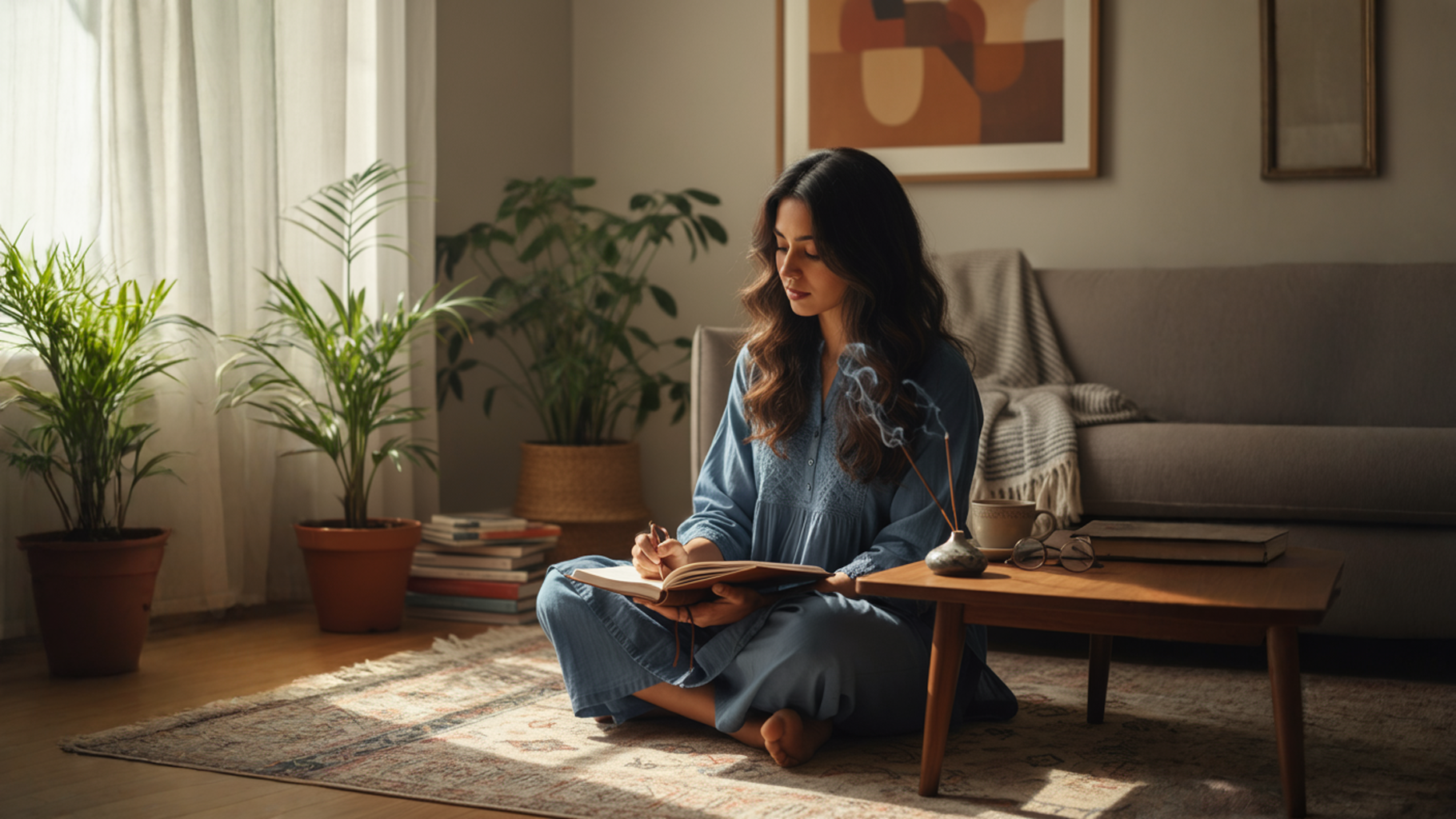
Bringing It Home: Simple Ways to Use Incense in Your Creative Rituals
- Reading or journaling: soft florals like Rose or Jasmine for a relaxed, immersive headspace.
- Deep work or meditation: grounding woody scents like Sandalwood or Chandan for clarity and focus.
- Music practice or listening: warm, layered notes such as Assam Oud or Orange Amber to build atmosphere.
- Unwinding at night: calming fragrances like Lavender or White Musk to help you settle.
- Quick creative bursts: bright, uplifting scents like White Lily or Yellow Rose to spark energy without overwhelming your senses.
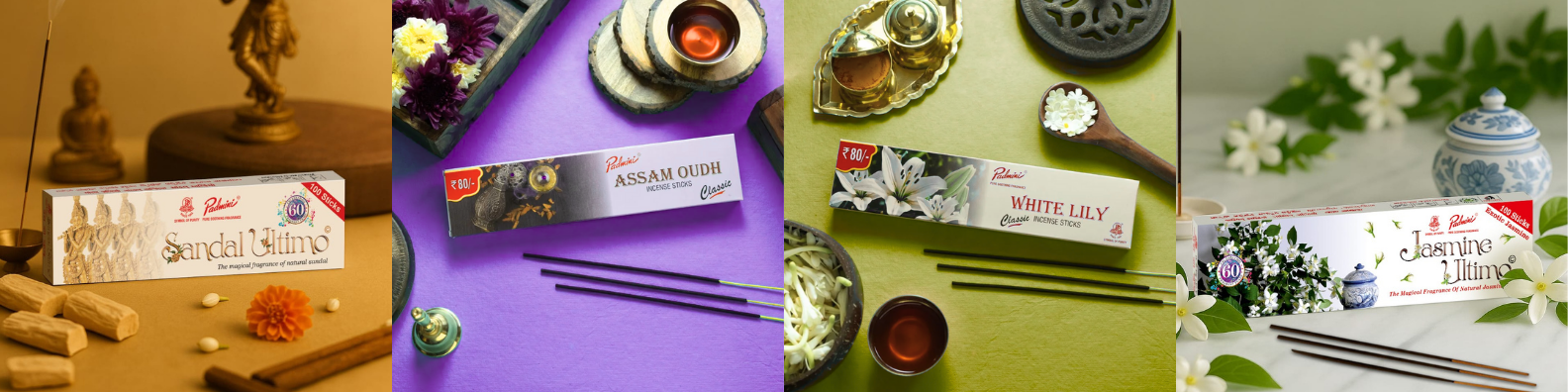
Across literature, music, dance and everyday creative life, incense has always been a quiet but powerful tool for shaping intention. It’s a small ritual that adds surprising depth to modern routines, and an easy way to bring sacred attention back into daily creativity.
Discover more agarbatti to enrich your reading, music and artistic moments at www.padmini.in.